
Quantum Culture ⧉ mapping an emerging logic
Exploring the cultural turn toward quantum thinking and how it may reshape design, perception, and collective imagination.

Origins of a Digital Mindset
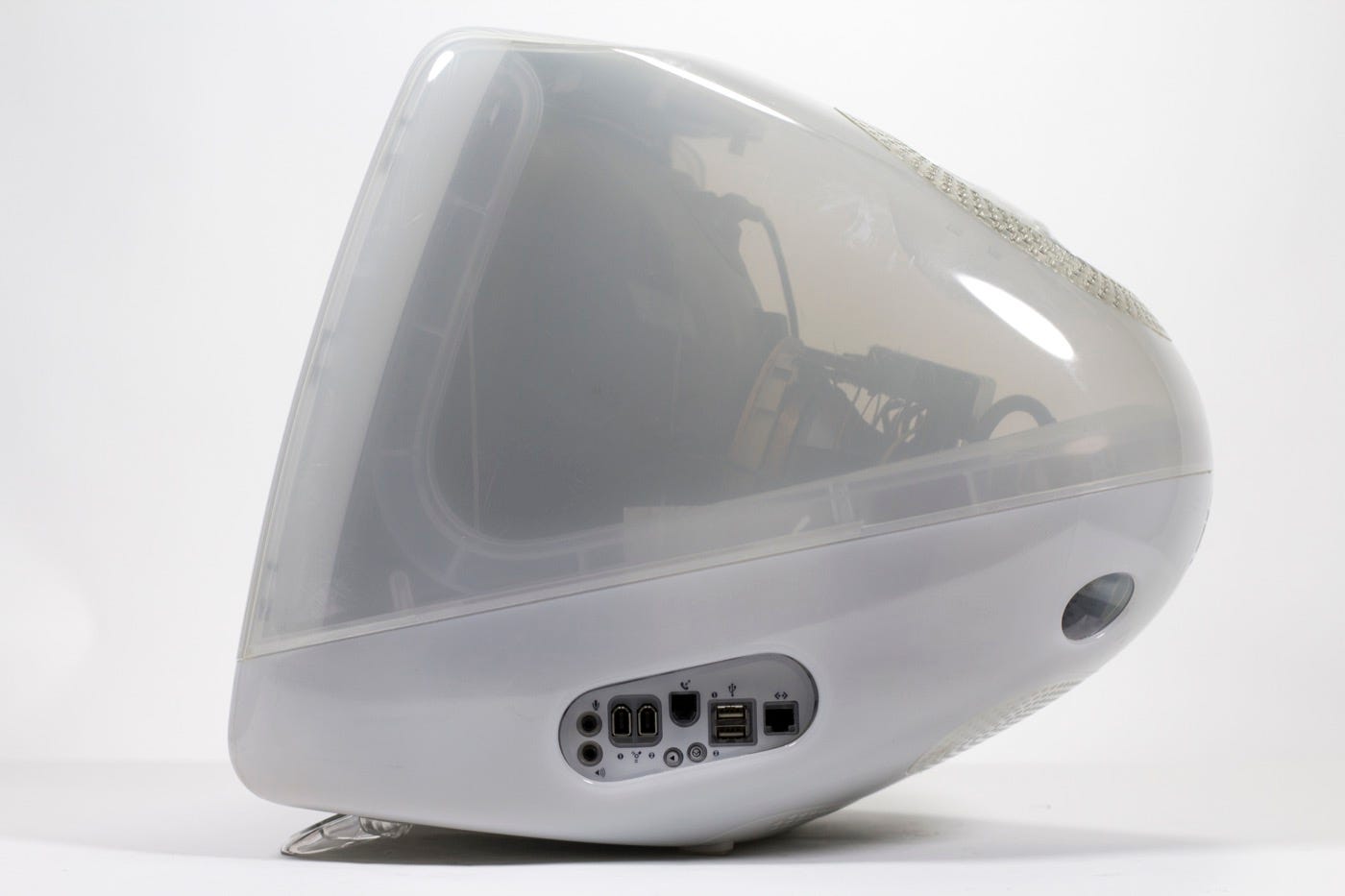
Every technological era brings a way of describing reality. In the mid-twentieth century, cybernetics framed the world as a network of feedback loops: systems that adjust through observation and response. It introduced ideas of pattern, learning, and interdependence that became the groundwork for computation and artificial intelligence.
As digital technologies matured, this worldview expanded into what we now recognise as digital culture: a collective way of seeing shaped by data, networks, and the logic of code. The computer became both instrument and lens. It taught us to think in systems, to translate behaviour into data, and to communicate through interfaces that link perception to information. The internet extended this pattern into daily life, transforming connection into the main architecture of modern culture.
“It’s almost as if the tools we’ve adopted to supplement our memories, minds and intuitions are reminding us what we’ve seemed to have forgotten — that life and mind in some way permeate all things.” — Branden M. Collins, Integrated Information Researcher & Philosopher
Digital culture also reshaped cognition itself, training perception to operate through search, indexing, and recall—modes that mirror the database and the network. It became a cognitive environment as much as a technological one, influencing how thought organises, retrieves, and constructs meaning.
It also redefined how people relate, form identity, and experience attention. It encouraged immediacy and precision—signals that move quickly and appear clear. Its foundation lay in separation: the zero and one, the on and off, the visible and unseen. Over time, those binaries became habits of thought that structured how we navigate our environment. This logic of clarity built extraordinary tools and networks while training perception toward distinction rather than depth.
The Turn Toward Quantum
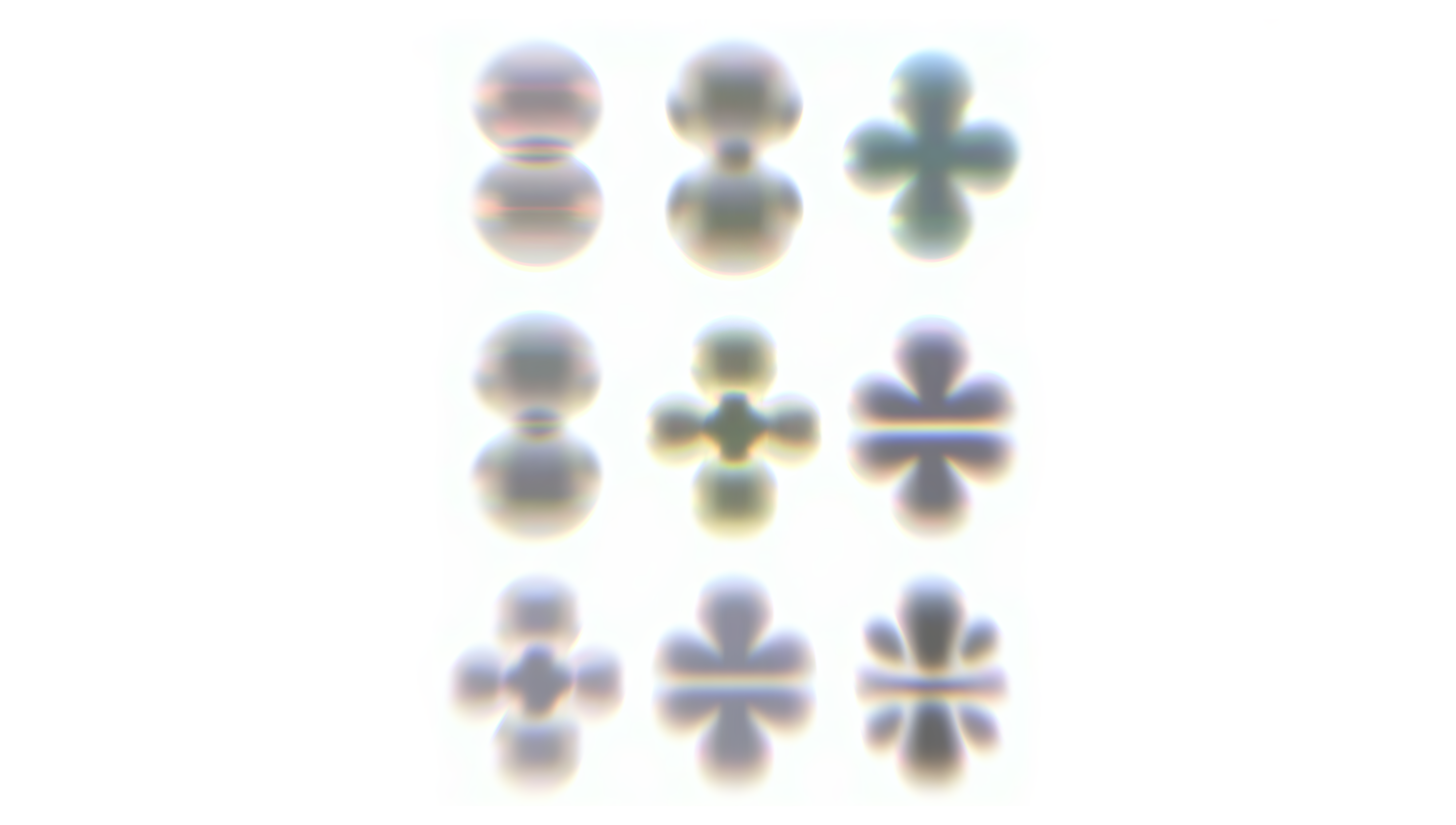
Quantum thinking introduces a different kind of logic emerging from that lineage. Where digital culture valued definition, quantum culture begins with relation. At its scientific core, quantum describes the behaviour of matter and energy at subatomic scales—a realm where particles act as waves, where position and momentum blur, and where observation alters what becomes real. These principles reveal a universe defined less by fixed states and more by probabilities, correlations, and continuous transformation.
In cultural terms, this worldview translates into a sensitivity to relation. It describes a world where states overlap, events influence one another across distance, and every form participates in a wider field of connection. It treats identity, matter, and knowledge as expressions of entanglement rather than fixed positions.
Quantum culture functions less as a technological framework and more as a way of understanding—an invitation to reconsider how knowledge forms, how observation affects what is known, and how perception participates in the making of reality.
Each era leaves its imprint on how culture imagines itself. Cybernetics oriented us around feedback and observation. The digital age revolved around computation and connectivity. Quantum ideas invite attention to indeterminacy, resonance, and coherence as a form of understanding that grows through relation.
Words such as entanglement, superposition, and coherence are finding new meaning beyond science. They have begun to shape how designers, artists, and philosophers describe the complexity of the world. They signal an imagination that accepts simultaneity and change as part of structure, where meaning develops through interaction and response.
This shift carries philosophical depth. It asks what forms of knowledge emerge when certainty gives way to relation, when reality is seen as participatory rather than fixed. It resonates with older cosmologies and mystical traditions that understood knowing as a shared process, where perception and matter unfold together as one movement.
Cultural Experiments
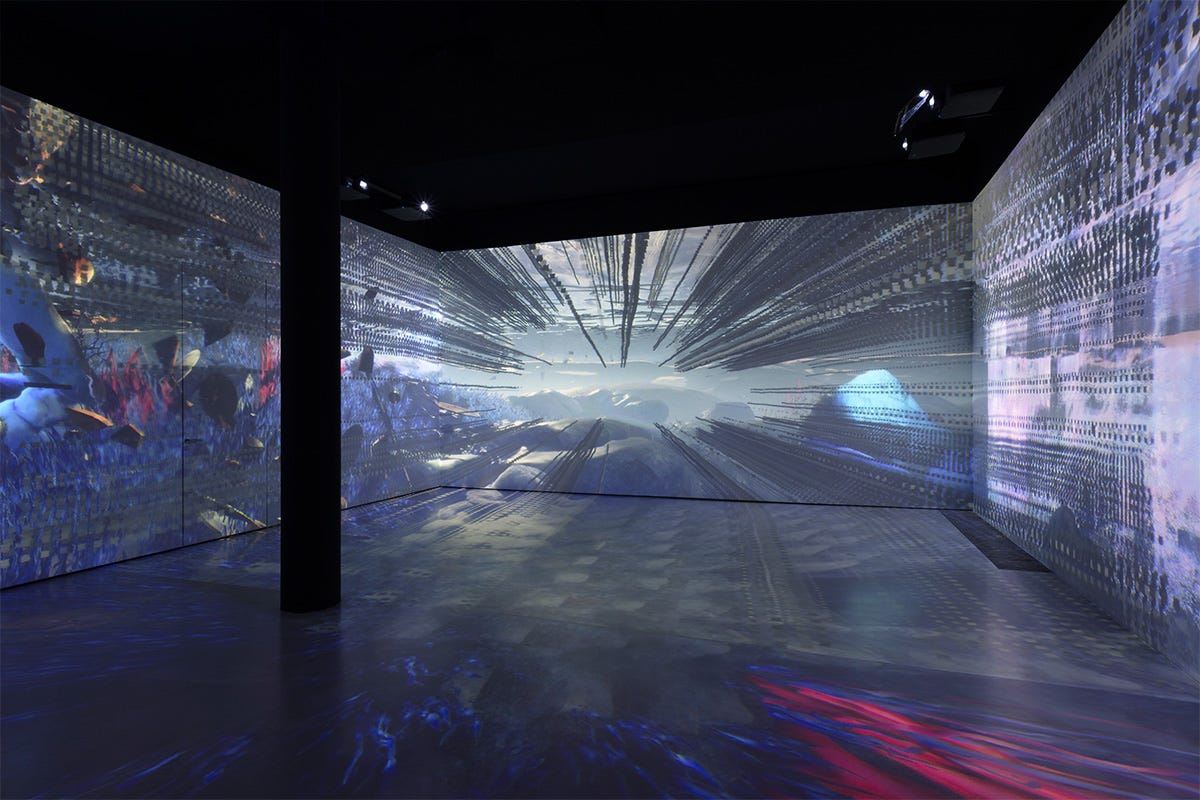
These ideas surface across creative practice. Refik Anadol’s Quantum Memories transforms probability into image, turning immense datasets of nature into fluid landscapes shaped by chance. Libby Heaney’s Ent- creates spatial experiences that allow visitors to inhabit overlapping perspectives. The collective Black Quantum Futurism reframes physics through Afrodiasporic concepts of time, presenting worlds where past, present, and future flow together. Studios such as Superflux explore futures that coexist, mirroring the principle of superposition within social imagination.
Other works reveal quantum logic through more subtle gestures. Jenna Sutela’s Holobiont connects microbial life, machine learning, and language into living systems that express interdependence. The Quipu project aligns ancient Incan record-keeping with contemporary data visualisation, drawing parallels between indigenous knowledge and quantum perspectives on information. Quantum Garden turns unpredictability into encounter, inviting movement through patterns shaped by sensitivity and chance.
These practices translate theory into perception. They make abstraction tangible through sound, motion, and atmosphere, allowing entanglement and coherence to be felt as lived experience. In doing so, they reveal quantum thinking as a way of sensing complexity.
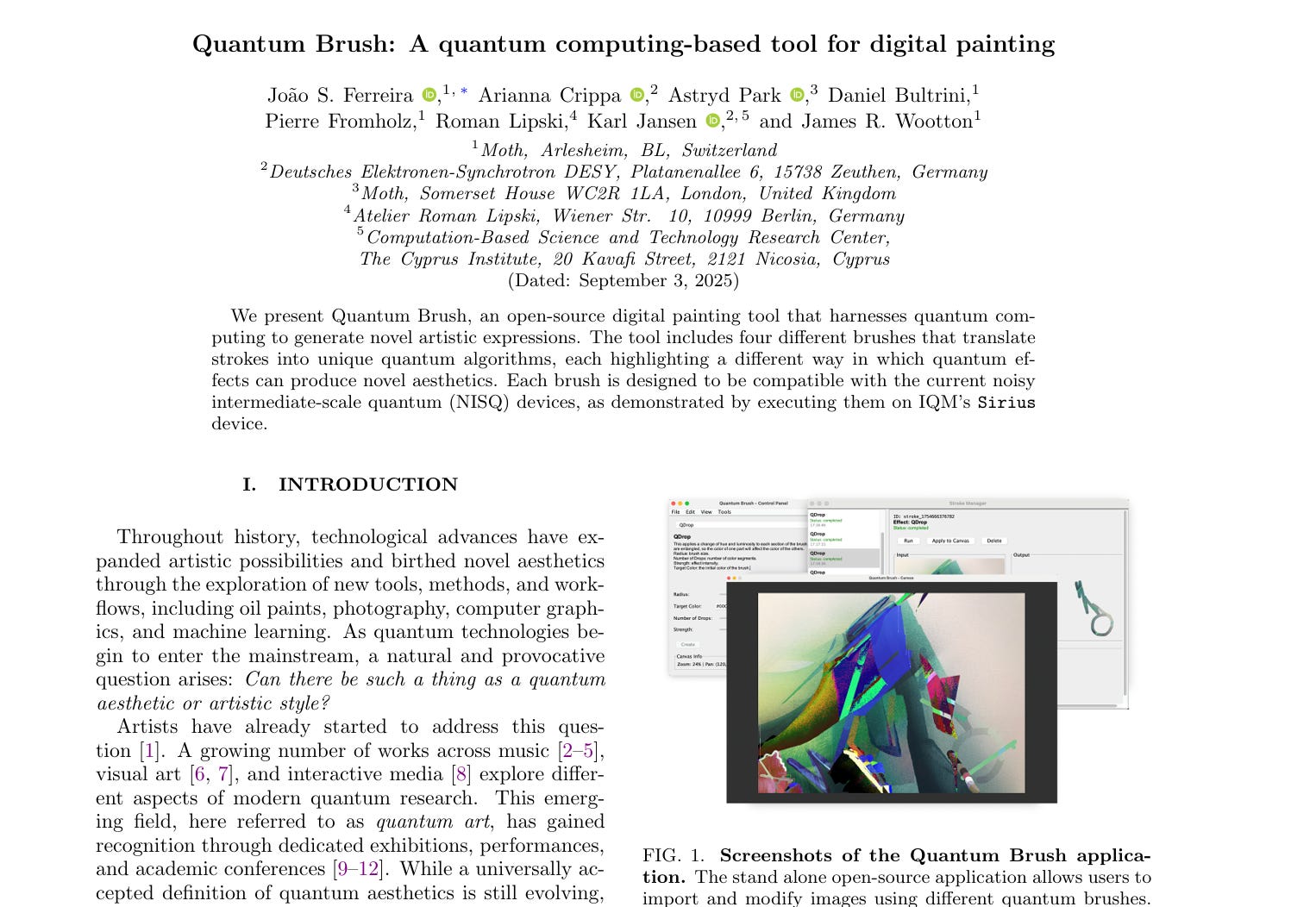
Across these experiments, a small but growing constellation of practitioners and organisations is beginning to map the edges of this field: artists, research collectives, and cultural labs that sense the outlines of a new worldview forming. Among them are institutions such as CERN’s arts programme, Moth Quantum, and LAS Art Foundation, as well as independent practices exploring how quantum ideas intersect with perception, experience, and design.
Toward a Quantum Culture
Quantum culture grows where scientific insight meets cultural imagination. It recognises that the systems we design also design the way we see. Each technological era carries a vocabulary that extends beyond its tools, shaping how we interpret relation, agency, and presence. The quantum turn suggests a worldview built on multiplicity, where coherence emerges from participation and understanding expands through resonance.
This orientation connects with many older and parallel traditions: with indigenous philosophies that view life as inseparable from environment, with mystic thought that perceives reality as field and vibration, and with creative disciplines that embrace uncertainty as a source of form. Quantum culture allows these modes of knowing to coexist, influencing one another through rhythm and proximity.
It proposes a cultural substrate still in formation—one that blends aesthetics, philosophy, and cognition into a shared field of meaning. What began as a set of scientific principles is now diffusing into collective imagination, shaping how knowledge is sensed, exchanged, and embodied.
“It seemed to be evident that the entire system, including our methods, tools and languages to describe it, was entangled in an interconnected web of flowing information. The universe as a single quantum system, one connected of many.” — Branden M. Collins, Integrated Information Researcher & Philosopher
At Pitch Portal, we move through this space as both observers and participants. Our focus lies in how quantum ideas translate into culture—how they begin to influence design, media, and collective perception. The field is still small, composed of a handful of artists, labs, and studios that share curiosity over expertise. We see our role as tracing how new logics emerge through practice, and working together with others who feel drawn to this space.
Living through this transformation means learning to hold openness as a structure. Scientific frameworks provide precision and method; cultural frameworks offer narrative and intuition. Between them, quantum culture evolves as a shared field of translation, where meaning forms continuously through relation.
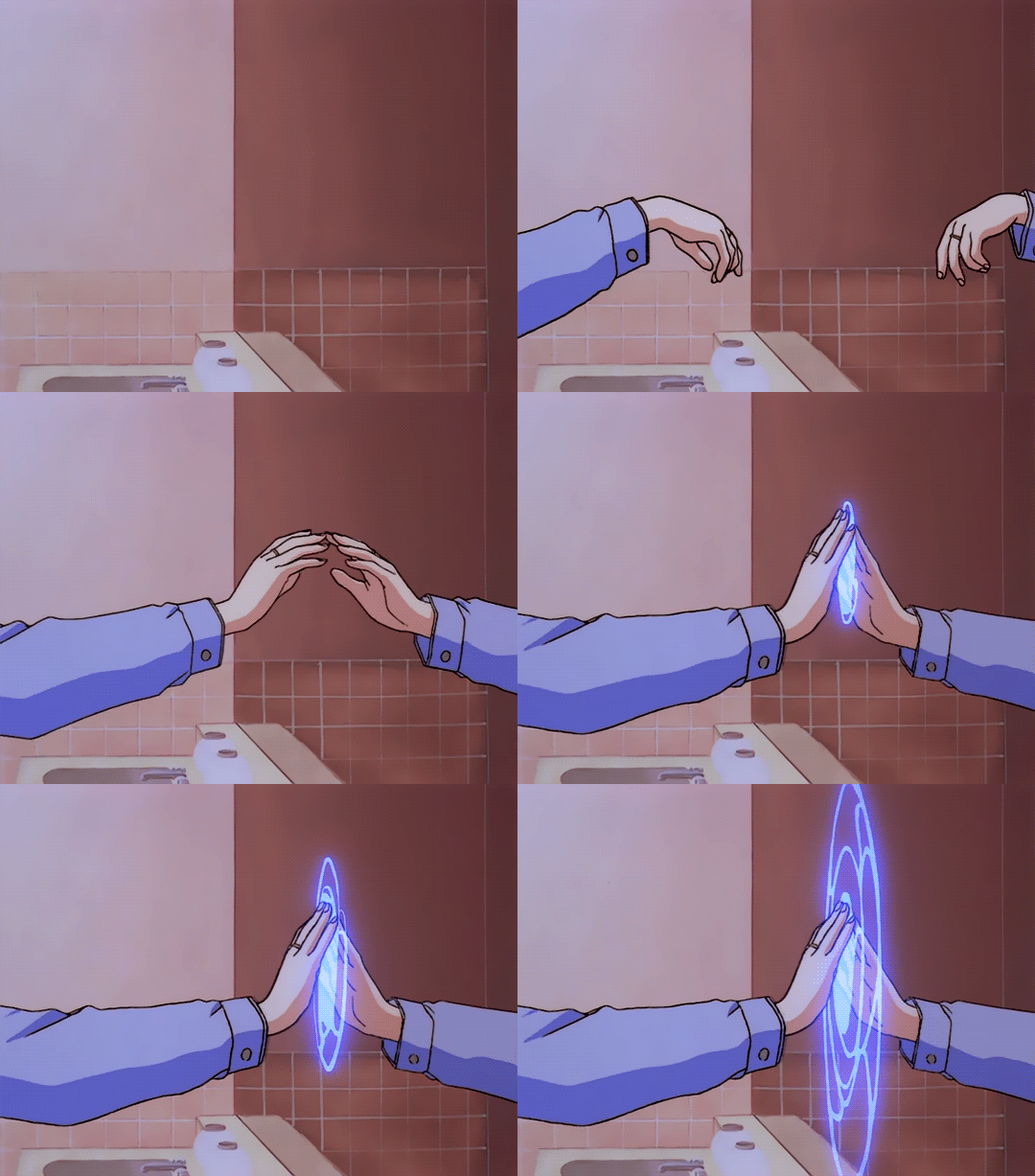
Mapping the Field
Pitch Portal exists within this landscape as both research practice and connector, studying the cultural translation of quantum thought while building dialogue across art, design, science, and philosophy. Our research follows how these ideas travel outward, shaping aesthetics, systems, and collective imagination. The aim is to sense this change as it gathers, before it becomes formalised into a new convention.
We see collaboration as essential to this exploration. Each partnership, conversation, or shared experiment expands the map, helping the field mature without losing its fluidity.
Quantum thinking already influences how designers create adaptive environments, how artists build relational systems, and how technology becomes more responsive to context. It encourages a worldview of coherence and reciprocity, where knowledge develops through exchange.
Each observation opens further possibilities. Quantum ideas may reshape how we design, collaborate, and interpret experience. They may redefine the architectures of thought that guide our shared future. The concept of quantum culture offers a framework for understanding this transition, a way to trace how new epistemologies emerge within culture before they are named.
Quantum culture continues to take shape through gradual, connected shifts. The field is still small yet dense with potential for those attuned to sense it.
Future Frequencies is PITCH’s shared signal log.
꩜ PITCH is a hybrid studio system ✼ Our two arms — Pitch Portal and Pitch Studios —work in tandem to tune into future signals and shape new realities.
Pitch Portal is the speculative lab exploring the new systems reshaping culture and technology, turning signals into frameworks, strategies, and prototypes. Pitch Studios is the creative studio translating emerging technologies, cultural shifts, and strategic insight into visual worlds, campaigns, and experiences.
Past clients and partners have included Google, SPACE10, Barbican Centre, The Future Laboratory, GANNI, It’s Nice That + many more. Learn more here.
Loved this! From a systems thinking POV, it feels like quantum logic is particularly useful for sense-making in the polycrisis era